Christmas food & drink: How to style your brand for the festive season
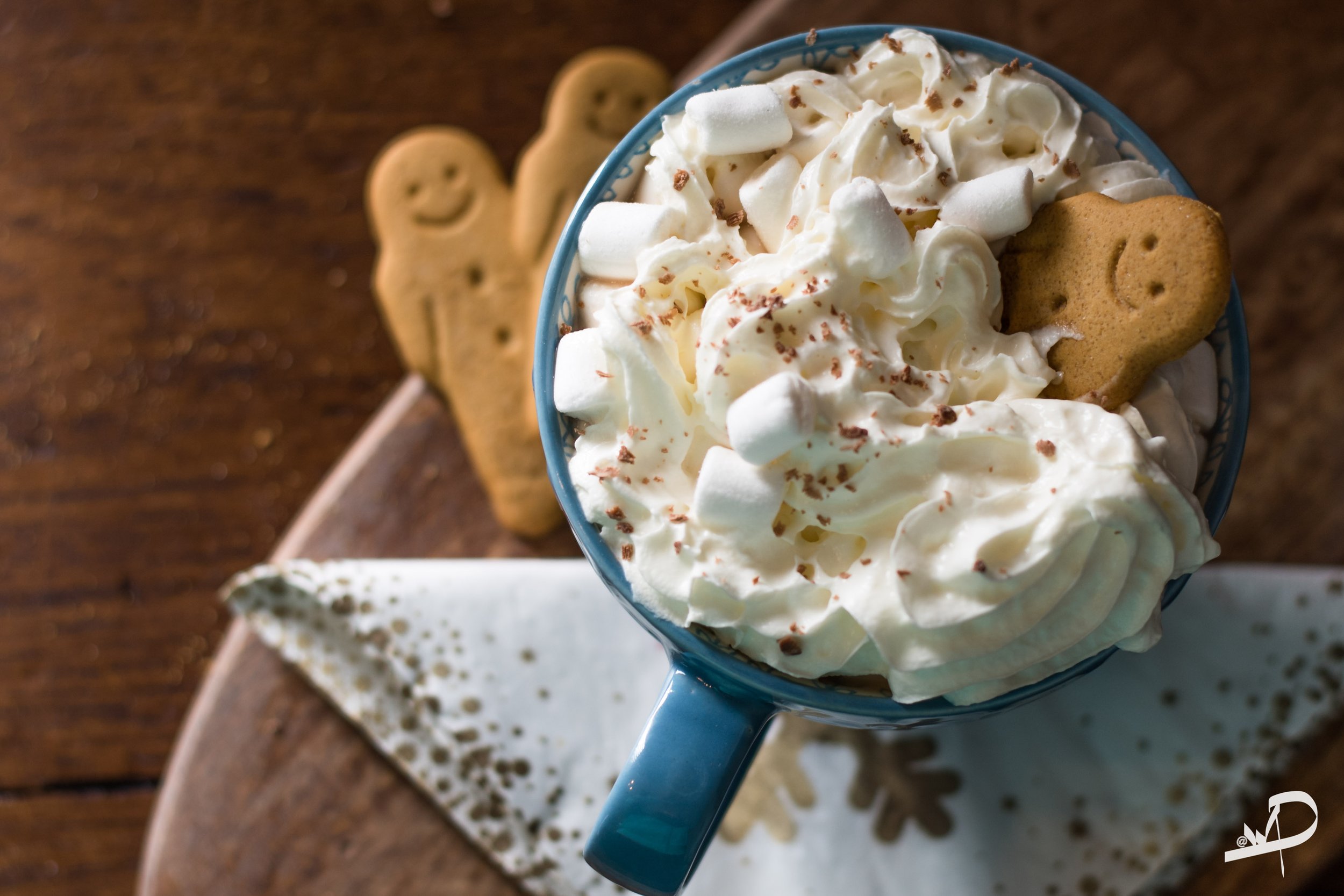
The festive season is the single best opportunity of the year to show off what you do. Whether you're a café, a boutique food brand, or a busy restaurant, Christmas gives you a genuine reason to create imagery that stops people mid-scroll and makes them want to book a table, place an order, or simply turn up at your door.
Capturing the magic of Christmas in a photograph isn't about luck, it's about thoughtful styling and a little strategic planning.
Here's how to do it well.
Start with a plan, not a camera
The best festive shoots don't happen by accident. Before you pick up anything, decide which dishes and drinks you want to feature. Your hero products for the season and build a shot list around them.
Think about the variety you need: close-ups of textures, wide table spreads, action shots like gravy being poured or a cocktail being garnished. For restaurants especially, having that list confirmed in advance means you can schedule the shoot around service rather than scrambling to fit it in between covers. A little preparation here saves a lot of stress on the day itself.

Photograph a mood, not just a plate
This is the principle that separates festive food photography from ordinary food photography. Christmas has a feeling of warmth, cosiness, the glow of a room in winter and your job is to capture that feeling, not just the dish sitting in the middle of it.
Fairy lights or a softly decorated tree in the background creates that beautiful out-of-focus bokeh glow that reads instantly as Christmas. Candlelight adds warmth and intimacy. Even the suggestion of a fireplace in the background transforms an image. You're not just showing people what's on the menu, you're showing them what it feels like to be in your space in December. That's what makes them want to book.
Choose your backdrop with intention
Your background is the canvas that everything else sits against, and at Christmas it matters more than ever.
Neutral tones, like whites, warm beiges, soft greys and let the vibrant reds and greens of festive food do their work without competing. For texture, rustic wood creates a warm, home-baked feel that suits mulled wine, mince pies, and hearty seasonal dishes beautifully. Elegant linens work brilliantly for fine dining and pastries. Layering a surface underneath a placemat, for example, adds visual depth without pulling the eye away from the food itself.4. Pay Attention to Lighting
Proper lighting is essential in Christmas food photography. Natural light is ideal, position your setup by a large window with diffused light. Soft box lights or diffusers work well indoors. For restaurant photography, lighting helps convey mood and showcases dishes at their best.
Get the light right
Natural light from a large window is still your best starting point, even in December. Soft, diffused daylight is the most flattering light for fresh ingredients and keeps colours looking true and appetising.
If you're shooting in a darker restaurant or evening setting, soft box lights or diffusers can mimic that gentle window glow. What to avoid is harsh overhead lighting, it casts unflattering shadows and gives food a yellow, artificial tone that no amount of editing fully fixes. If the ambient light in the space isn't working for you, bring the light to the food rather than trying to work around it.

Get close to the craft
Don't skip the detail shots. The dusting of icing sugar on a mince pie. The shine on a glazed centrepiece. The bubbles rising in a festive spritz. These close-up images do something that wide shots can't, they make the viewer practically taste the image. They also communicate something important about your brand: that the details matter, and that real care has gone into what you're serving.
Shoot the moment it's ready
Timing matters more in food photography than most people realise. The moment a dish comes out of the kitchen, before it settles, cools, or loses its steam. Is almost always when it looks its absolute best. Photograph it then. The vibrancy of colour and freshness of texture in those first few minutes is what influences a customer's decision to order, and it's very difficult to replicate once the moment has passed.
Experiment with your angles
Two perspectives do most of the work in festive food photography. The flat lay, which us straight down from above. Is perfect for showing off a full festive spread, a selection of small bites, or a beautiful table in its entirety. The low angle, shot from close to the table, emphasises height and drama, which is ideal for a tiered Christmas cake, a stacked seasonal burger, or a tall cocktail with an elaborate garnish. Use both across a single shoot and you'll have a far more varied, interesting gallery to work with.
Edit to polish, not to transform
A light touch in editing is almost always the right one. Adjust brightness and contrast to make the image feel alive and correct the colour temperature if the light source was warm or cool. Keep it natural, as people want to see food that looks real and genuinely appetising, not filtered into something that bears no resemblance to what arrives at the table. Trust the styling and the light you've captured and let the editing simply bring out the best in what's already there.
Ready to make your festive menu irresistible?
The festive season moves fast, and great imagery takes a little planning to get right. Whether you'd like me to handle the full creative direction for your Christmas shoot, or you'd like to develop these skills yourself before the season hits, I'm always happy to have a chat about what would work best for you.
Need a pro for your festive shoot? Explore my Food & Drink photography services.
Want to master the festive glow yourself? Book a 1-on-1 Photography Masterclass.
Just want to talk Christmas? Book a free 15-minute consultation, let's figure out the best next step for you.
Sam Peel (MA) | Welly Pictures | Food Photographer, Northamptonshire