Beyond the plate: Mastering the art of food storytelling

When you look at a photograph of a dish, do you just see ingredients, or do you feel an experience?
That question is at the heart of everything I do as a food photographer. Because there's a world of difference between a static menu shot and an image that makes someone lean in, feel something, and want to be part of what they're seeing. That difference is storytelling and it's the most powerful tool your brand has.
Whether you're creating a single still that speaks a thousand words, or a fast-paced reel that captures the rhythm of a working kitchen, the story you tell around your food is what builds a brand people connect with. Here's how to start thinking about it.
Stills vs. Reels: Two ways to tell the same story
Neither format is better than the other and they just do different things, and understanding the difference helps you use both more intentionally.
A still photograph is about freezing one singular, compelling moment. The exact second a fork breaks through a crust. A curl of steam rising from a freshly baked pie. A hand cradling a coffee cup. Stills give the viewer time to linger and to notice the details, to feel a quiet emotion, to project themselves into the scene. Done well, a single image can communicate everything your brand stands for without a single word of copy.
A reel, by contrast, uses motion and sound to take the viewer on a journey. The clatter of a busy kitchen, the sizzle of a pan, music that matches the pace of the brand. These create an immersive experience that stills simply can't replicate. Reels are brilliant for social media because they demand attention in a way that stops the scroll and keeps people watching.
The best brand content uses both, because they reach people in different emotional registers.
Six story arcs worth telling
If you want to move beyond straightforward product photography, here are six narrative directions that consistently create compelling, shareable content.
Farm to table. Show the full journey, with the grower's hands, the raw ingredients arriving in the kitchen, the chef's preparation, and finally the finished dish. It's a story about provenance and care, and it tells your customers something important: you know where your food comes from, and that matters to you.
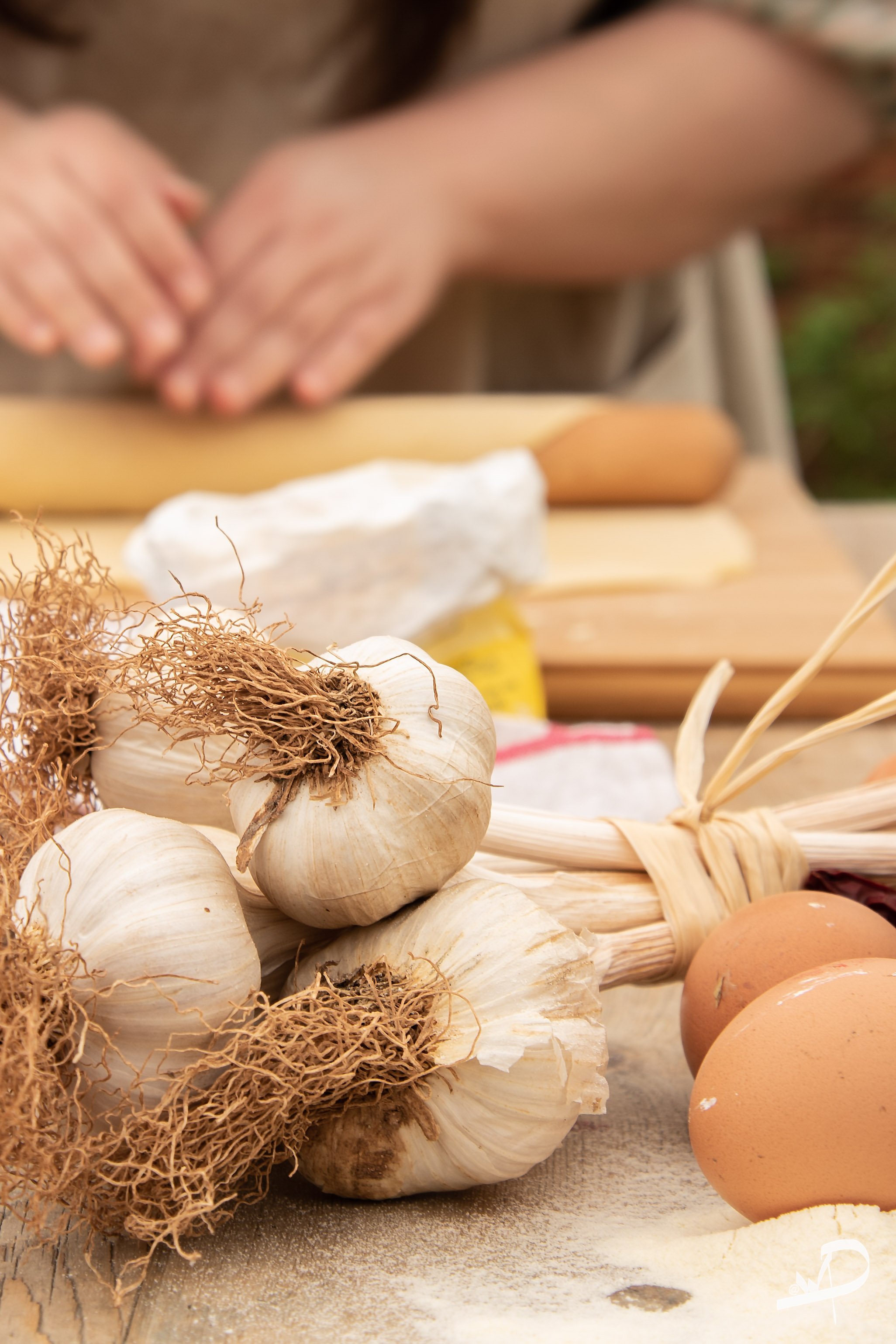
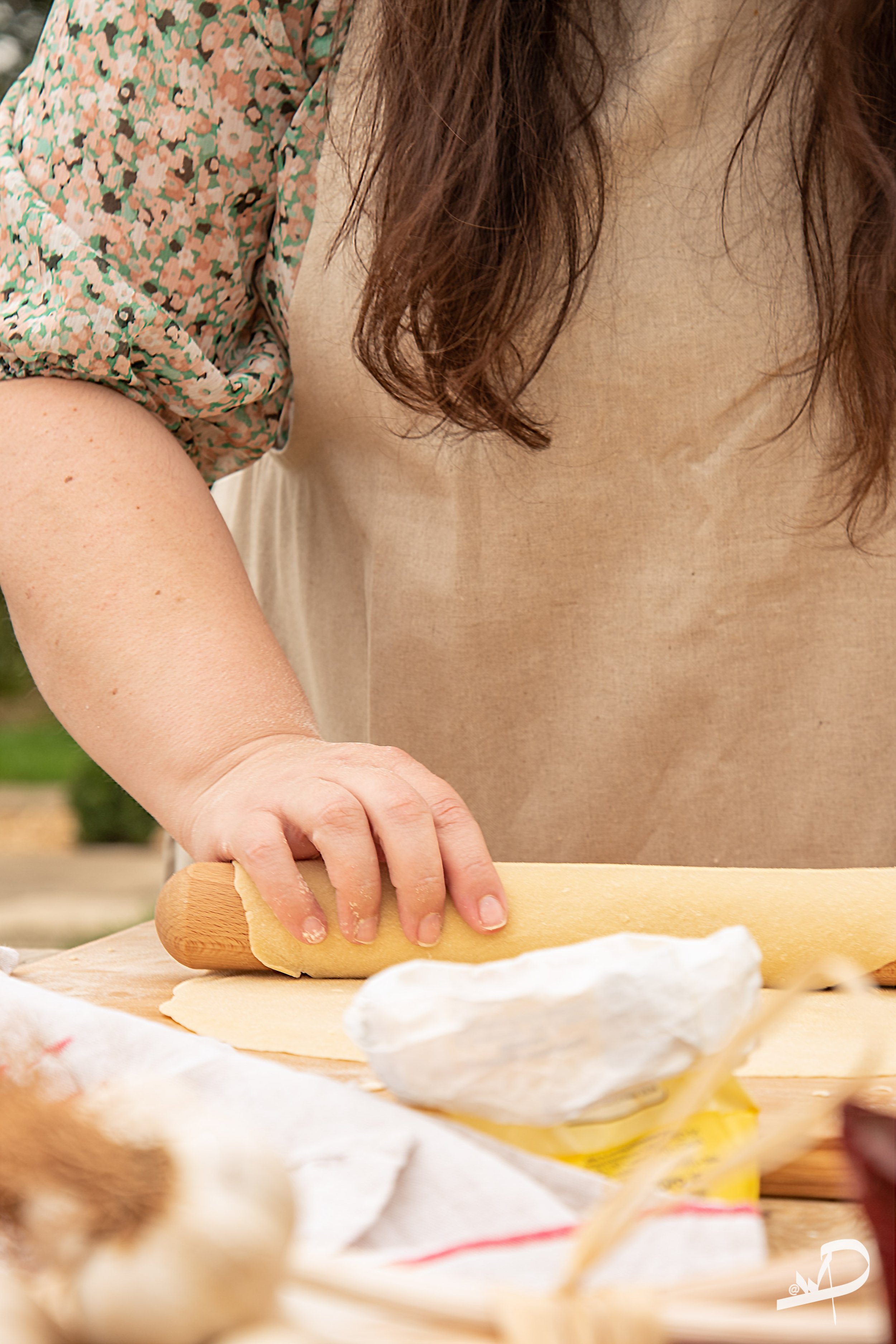
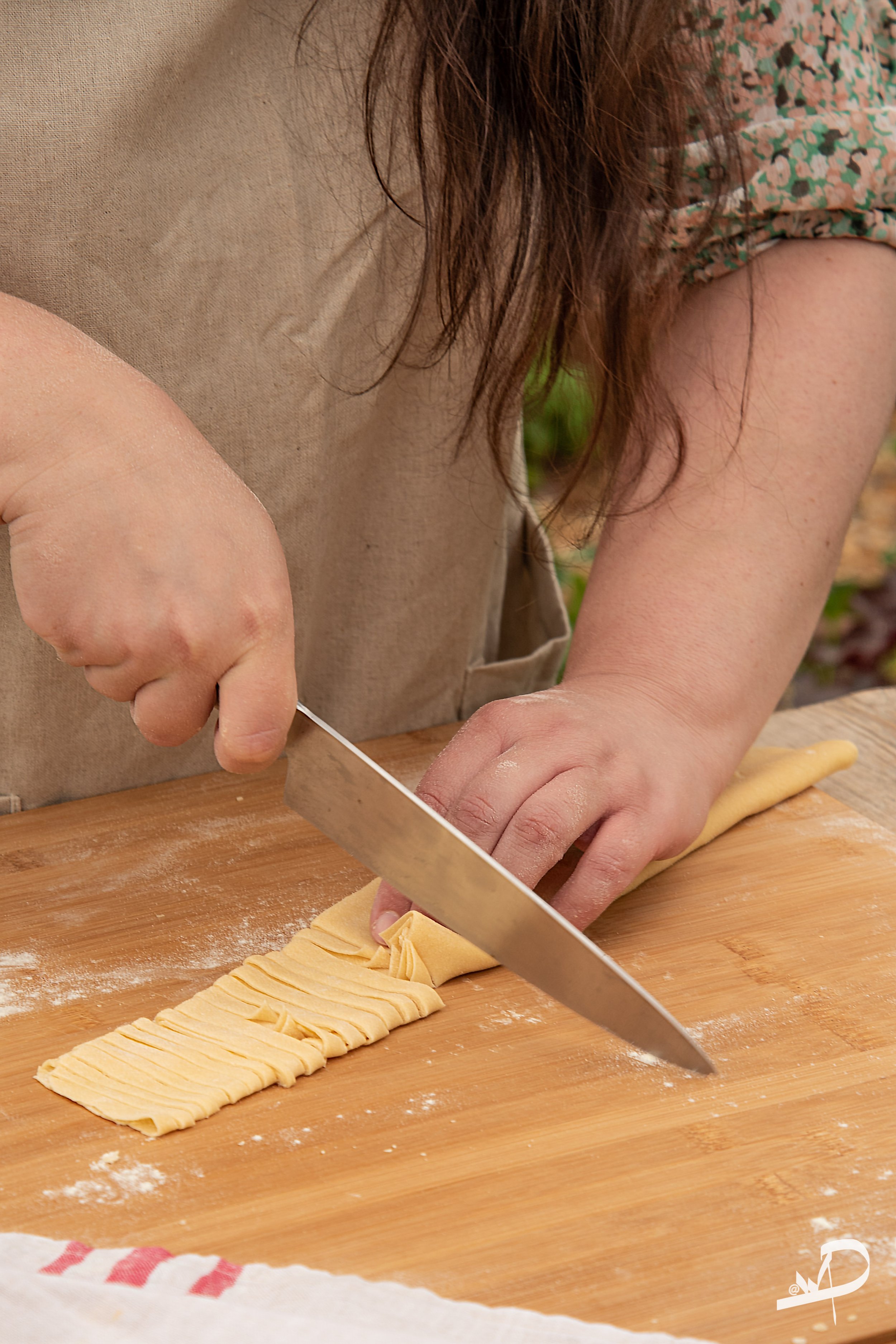
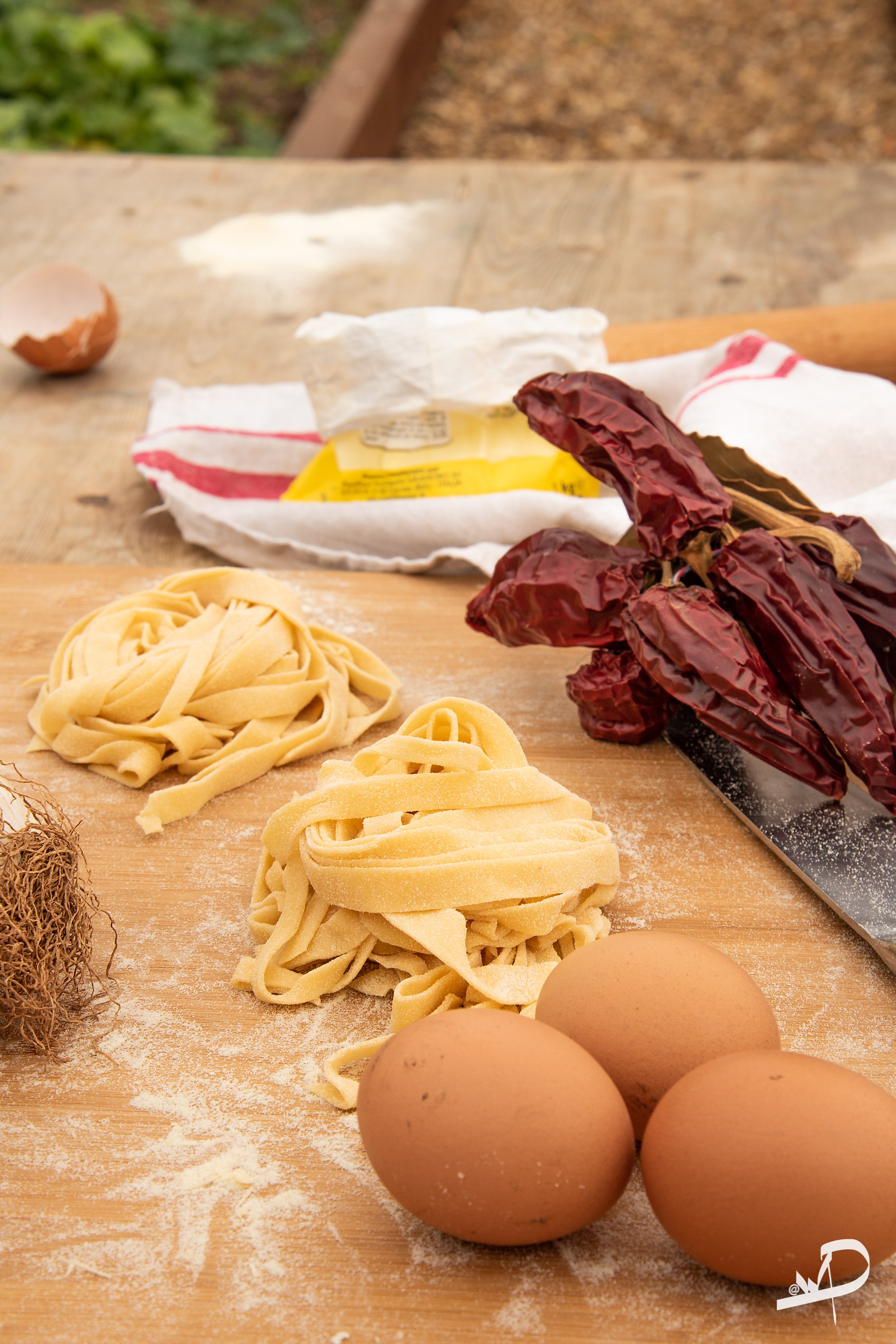
The art of the process. Don't wait for the finished result. The shaggy, unworked dough. The dusting of flour on a surface. The bubbling sauce catching the light. These in-between moments are often more visually interesting than the plated dish and they communicate craft in a way that a perfect final shot never quite can.
Cultural roots. If a dish has heritage, show it. The specific techniques, the traditional cookware, the textiles or spices in the background. These details hint at a story that goes far beyond the restaurant kitchen, and they give your brand a depth and authenticity that generic food photography simply doesn't have.
A day in the life. Follow the chef's journey from early morning sourcing through to the pressure of service. This is the format that builds the deepest human connection between your brand and your diners, because people don't just want to eat great food, they want to feel connected to the people who make it.
Seasonal shifts. Spring strawberries, autumn squash, winter roots, tracking the ingredients of the moment tells a story of change, freshness, and a genuine relationship with what's in season. It also gives you a natural, built-in reason to create new content throughout the year.
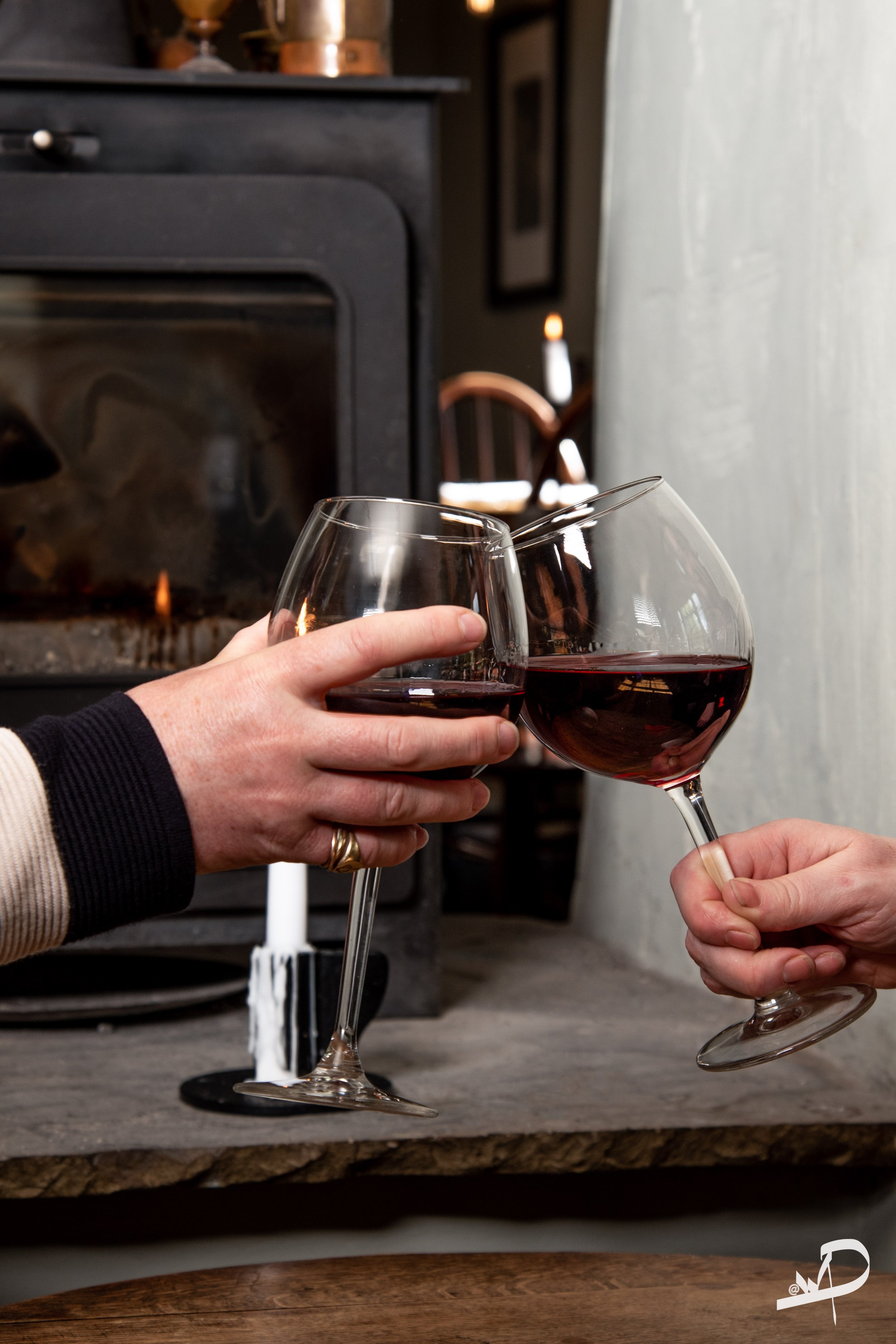
The human element. The best food stories include people. A hand reaching for a slice of pizza. Steam-fogged glasses leaning over a bowl of ramen. Someone laughing across a table. These details make an image feel lived-in and welcoming in a way that a perfectly styled but empty frame rarely does.

You don't always need video to show movement
If a full reel feels like a step too far right now, there's a useful middle ground worth exploring. A sequence of stills, a pie being served, sliced, and then enjoyed. Creates a loop of anticipation and reward that works brilliantly on websites and Instagram carousels. Stop-motion and GIFs can do similar work. Movement doesn't have to mean video; it just means showing change over time.
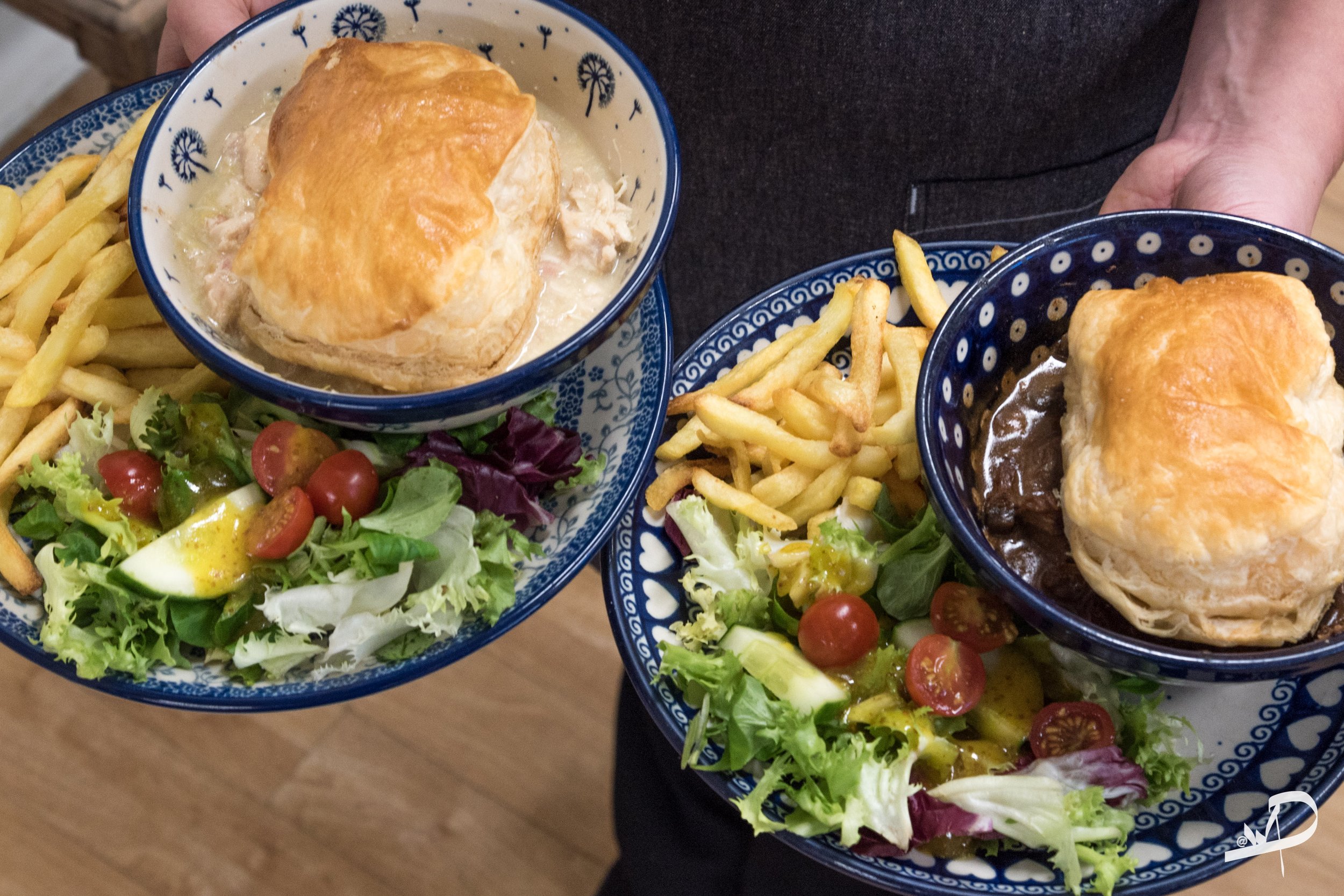
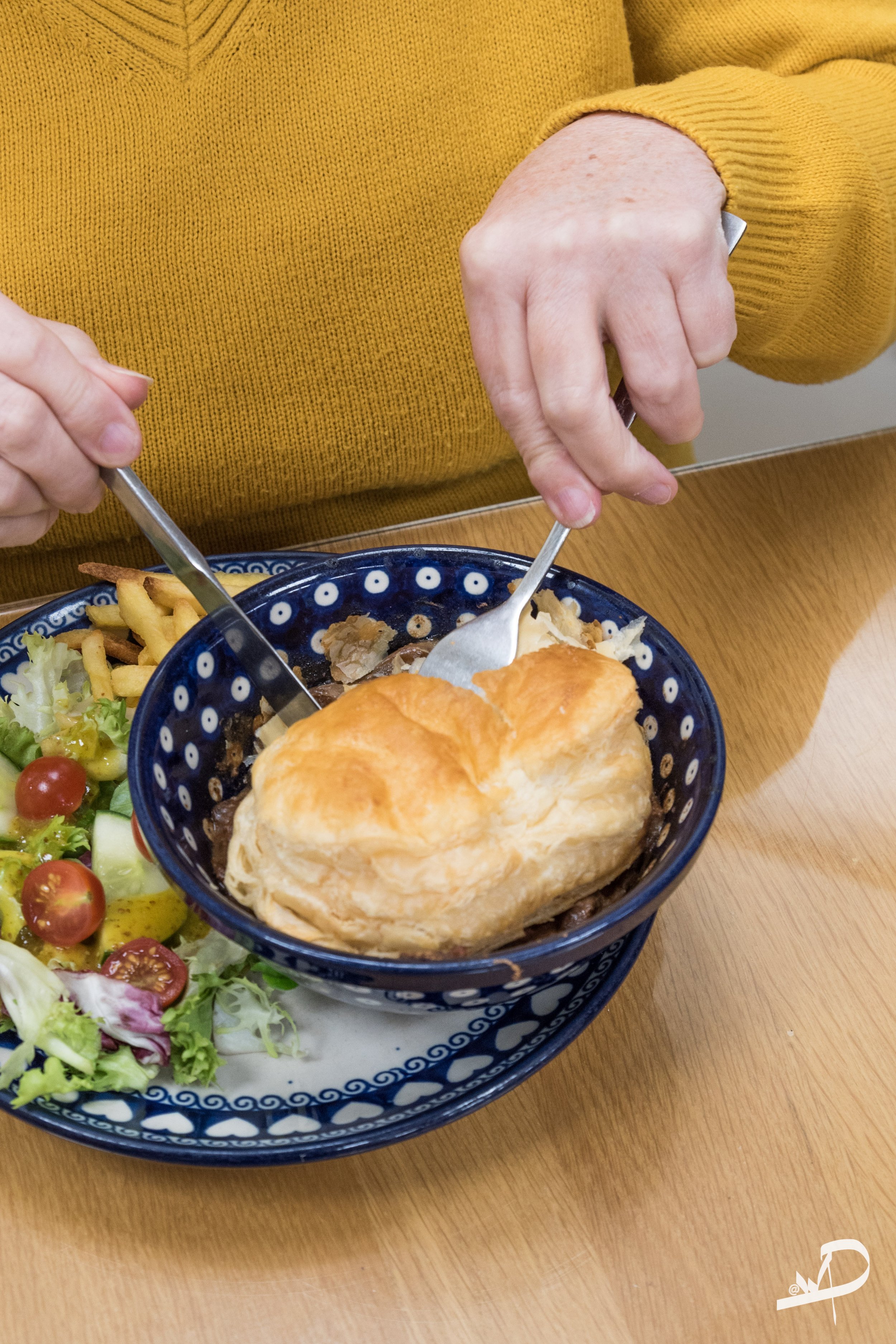
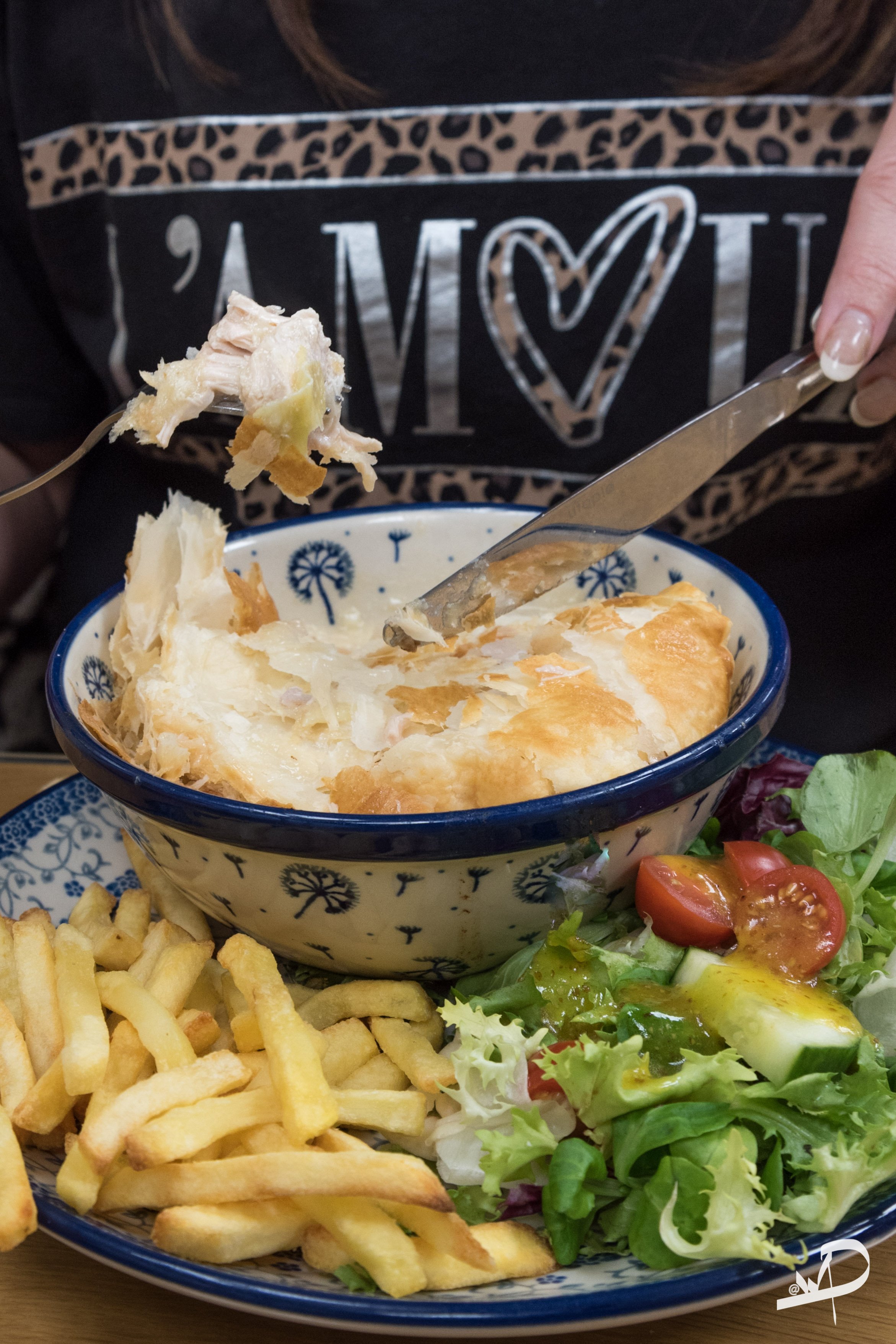
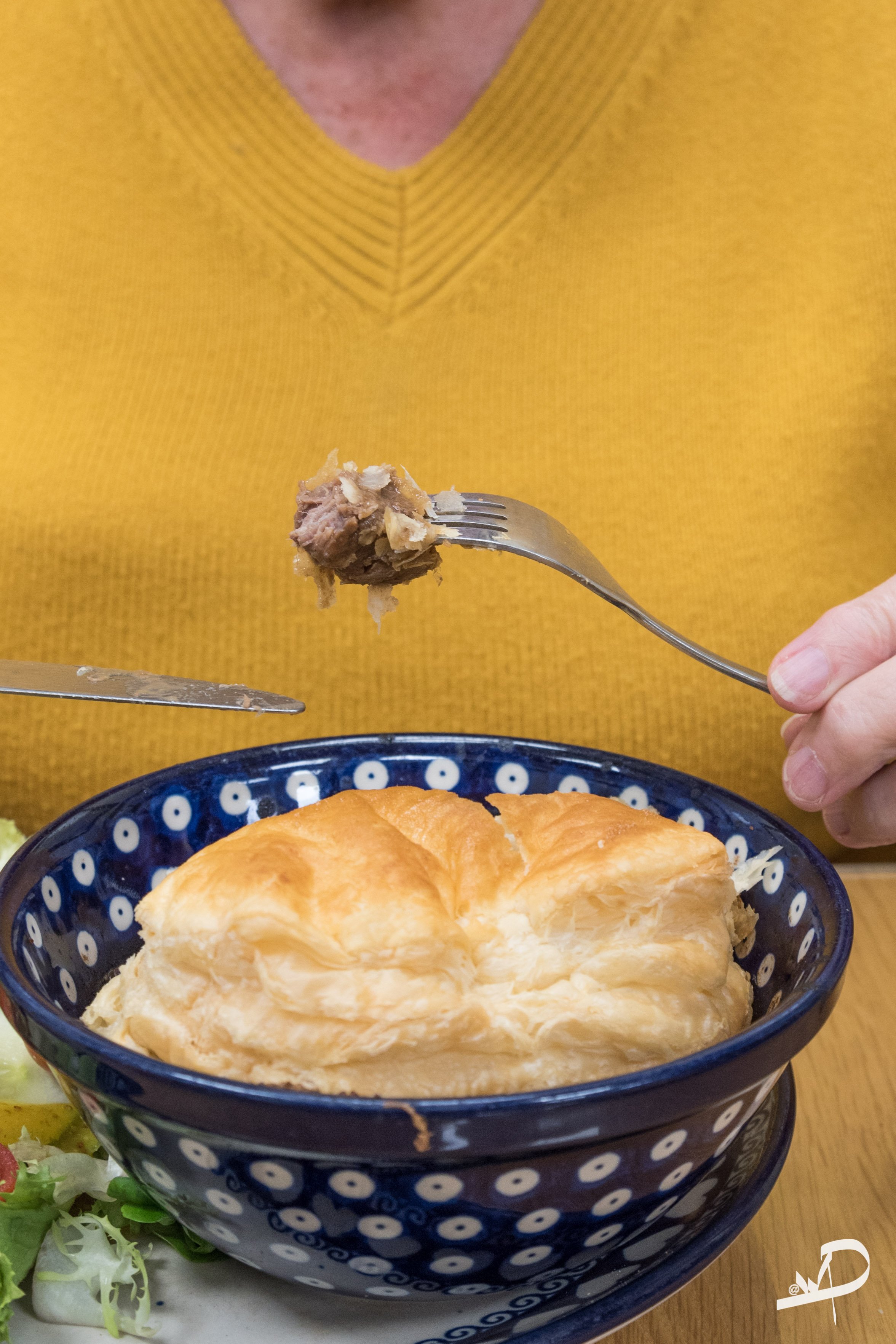
From serving a delicious pie to the enjoyment as the customer eat and enjoy the pies.
The bigger picture
In hospitality, you're never just selling food. You're selling comfort, connection, and the joy of a really good meal shared with people you care about.
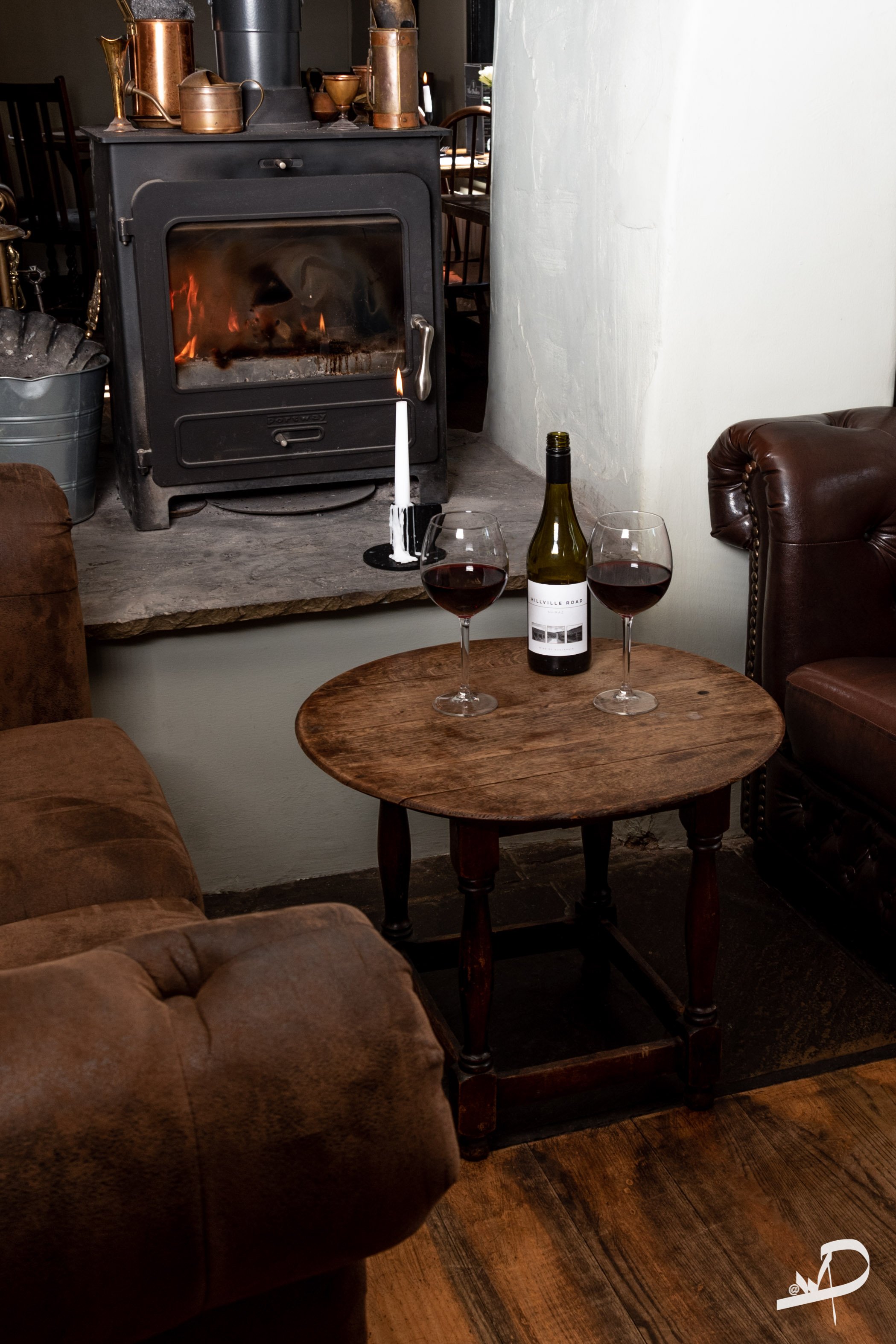
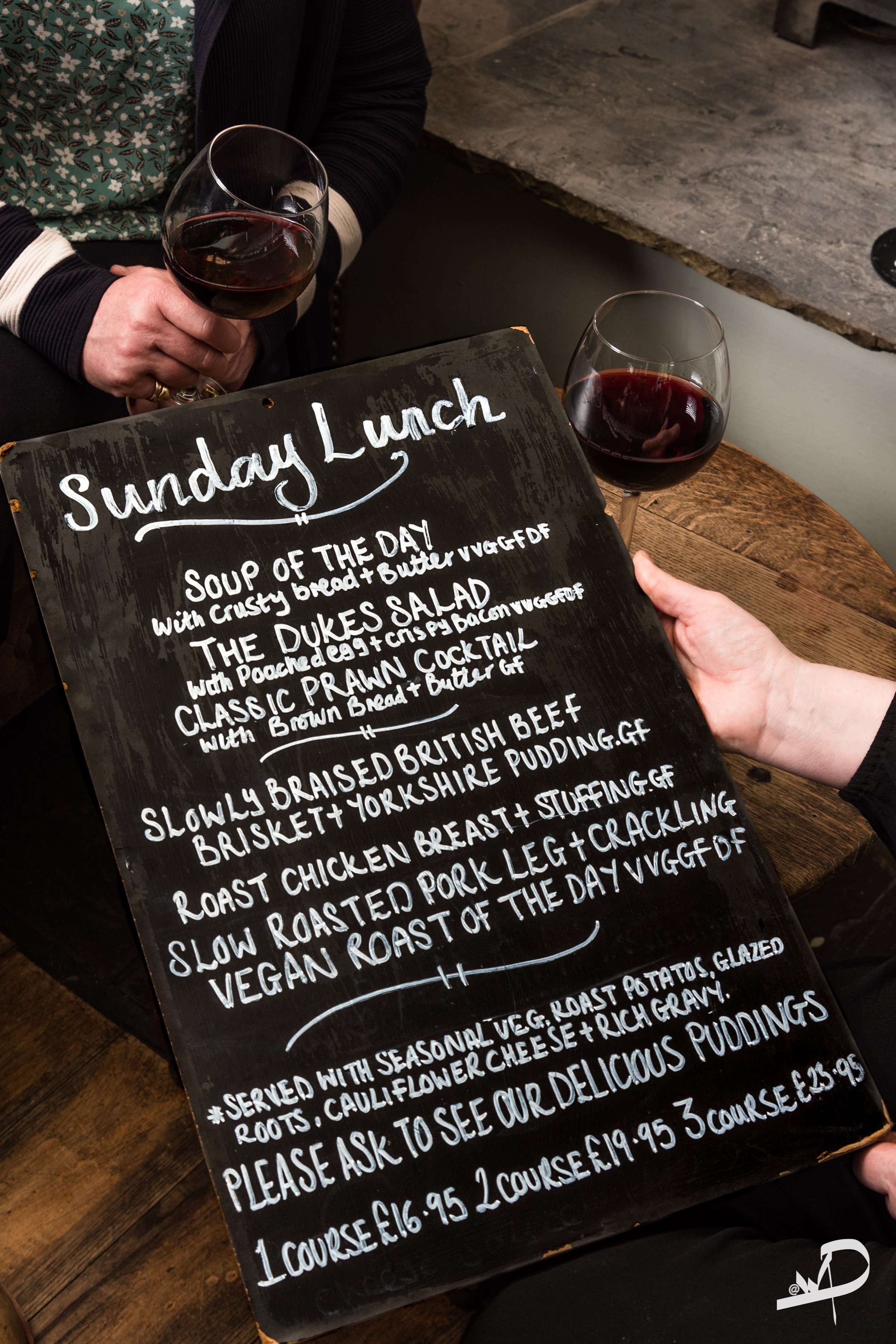
Think about a photograph of a Sunday roast beside a crackling fire. The viewer isn't looking at the beef and the trimmings and making a nutritional assessment. They're imagining the warmth of the room, the conversation around the table, the feeling of a slow Sunday afternoon. That's what great food storytelling does. It sells the experience around the food, and that experience is what people book a table for.
Ready to tell your brand's story?
Whether you'd like me to handle the creative direction and sequencing for your next campaign, or you'd like to develop your own storytelling eye, I'm always happy to have a conversation about what would work best for your brand.
Need a storyteller for your next shoot? Explore my Food & Drink photography services.
Want to master the narrative yourself? Book a 1-on-1 Photography Masterclass.
Just want to brainstorm some ideas? Book a free 15-minute consultation, let's figure out the best next step for you.
Sam Peel (MA) | Welly Pictures | Food Photographer, Northamptonshire