One-to-One Photography Tuition: How to Finally Feel Confident with Your Camera
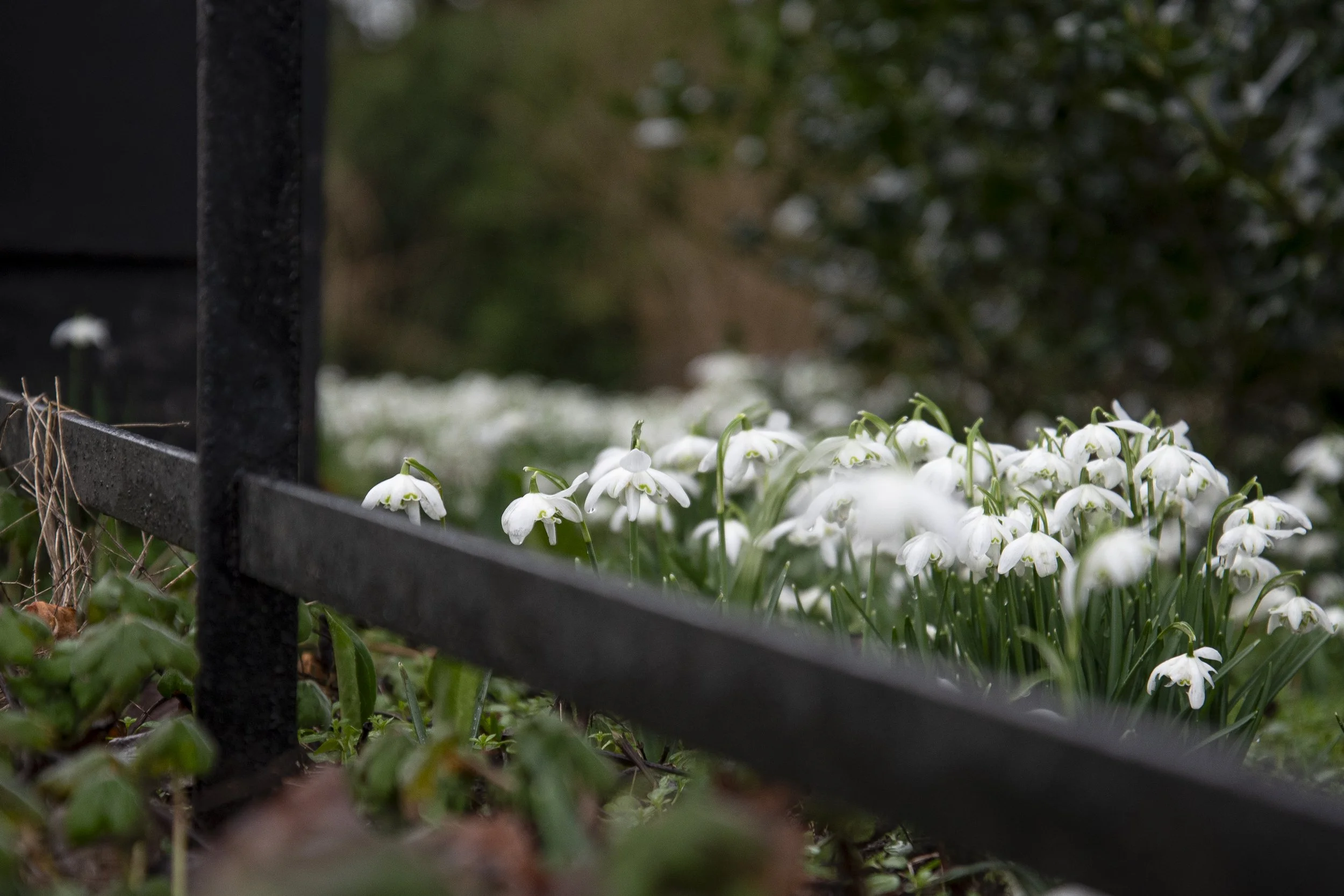
Master Your Camera11 FebHave you ever looked at your photographs and thought, “Why don’t they look the way I imagined?” You are not alone. Lots of people buy a good camera, try their best, and still feel stuck between quick snapshots and the more polished images they hoped to create. In this post, I’ll gently walk you through how one-to-one photography tuition can make your camera feel less intimidating, help you understand the settings that matter, and give you a clearer path towards photographs you feel proud of.
What You’ll Learn
Why one-to-one photography tuition can be more helpful than learning alone.
How tailored lessons support your camera, your goals, and your confidence.
What real-time feedback does for your progress.
How to understand manual settings without feeling overwhelmed.
Why practical, hands-on learning helps you develop your own style.
Learning that is built around you
No two photographers learn in the same way. Some people struggle with manual settings, while others feel unsure about composition, lighting, or simply where to start.
With one-to-one tuition, the lesson is shaped around you: your camera, your experience level, and the kind of photographs you want to take.
Instead of following a rigid course, we focus on what will help you most right now. That might mean understanding exposure, improving focus, using natural light, or learning how to compose stronger images.
That is why the first part of a session is often a conversation rather than a technical demonstration. I want to know what you enjoy photographing, what has been frustrating you, and what you would like to feel more confident doing by the end. Once we understand that, the teaching becomes much more useful because every explanation has a purpose.
For example, if your main goal is family photography, we might focus on movement, natural expressions, indoor light, and fast focus. If you want to photograph products or creative work, we might spend more time on clean backgrounds, light direction, colour, and consistency. The point is not to teach everything at once; it is to teach the next useful thing.
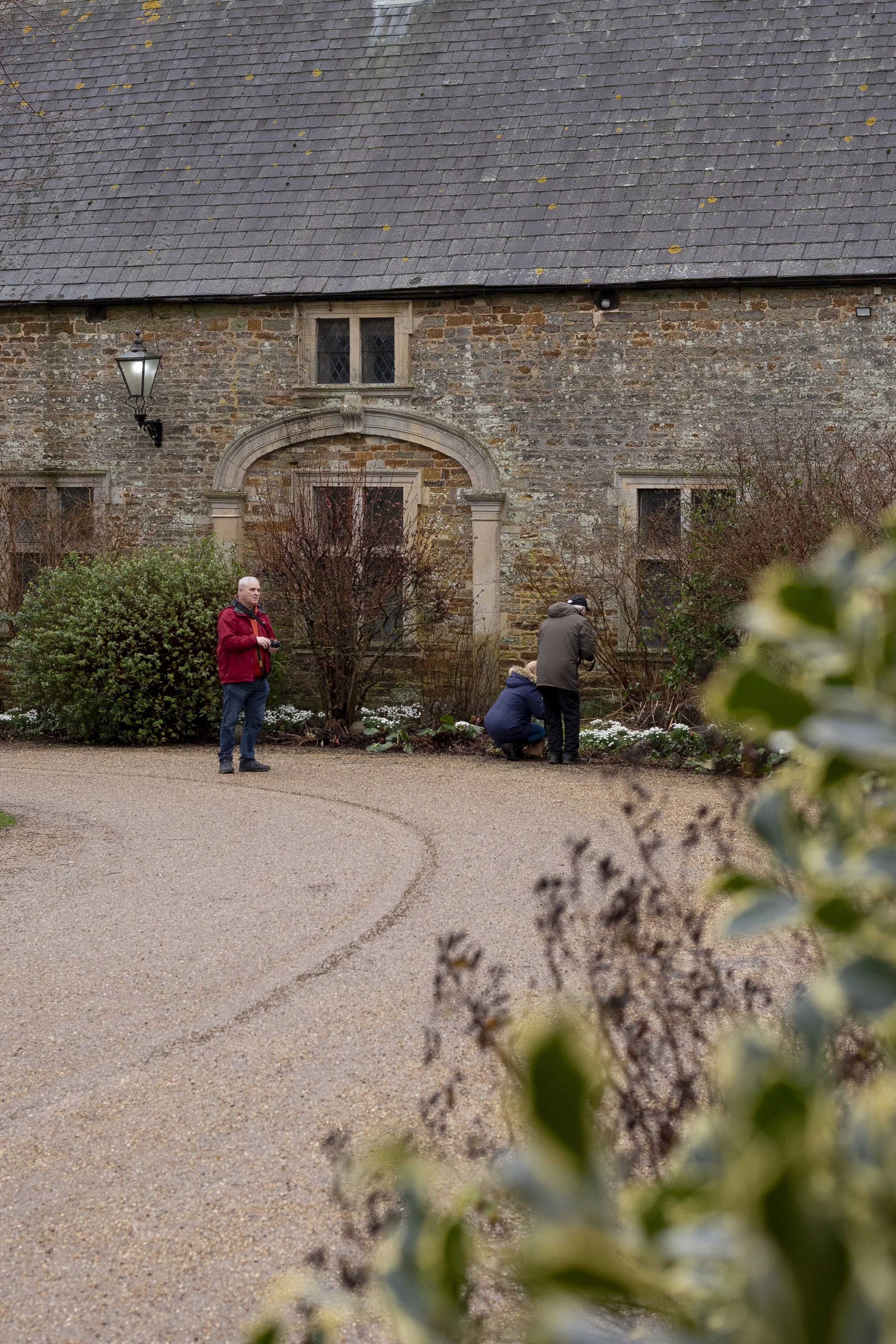
Addressing specific gaps in your knowledge
Building on what you already understand
Moving at a pace that feels comfortable
This personalised approach speeds up your progress and removes unnecessary frustration.
It also makes the process feel less intimidating. You are not being tested, judged, or expected to know the right words. We are simply looking at what is happening in front of us and making small, practical improvements together.
Visual break suggestion: Add a simple before-and-after image showing a photo taken on Auto mode beside a photo improved through guided settings and composition.
Real-time feedback helps you improve faster
One of the biggest benefits of private tuition is instant feedback. When you are learning alone through YouTube or trial and error, it is easy to repeat the same mistakes without realising it.
In a one-to-one session, adjustments happen there and then. If your exposure is slightly off, we correct it together; if your composition feels unbalanced, we look at why and make a simple change.
This is where a lot of progress happens. You take a photograph, we look at it together, and then we make one clear adjustment. That might be changing the shutter speed, moving closer to the subject, choosing a different focus point, or simply turning slightly so the light falls in a better direction.
Because the feedback is immediate, the lesson becomes easier to remember. You are not trying to store abstract information for later. You are connecting the advice directly to a photograph you have just made, which makes the learning much more practical.
If your exposure is slightly off, we fix it there and then.
If composition feels unbalanced, we refine it together.
If focus isn’t quite right, you’ll understand exactly why.
This immediate correction builds understanding much faster and prevents bad habits from forming.
Over time, that repeated process helps you develop a stronger eye. You start to notice problems before you press the shutter, which is one of the biggest signs that your confidence is growing.
Pull quote: “Good tuition should make photography feel clearer, not more complicated.”
Building Confidence, Not Just Camera Knowledge
Technical knowledge is important. But confidence is what allows you to apply it.
As your understanding improves, so does your ability to trust your decisions. You’ll begin approaching shoots with clarity instead of uncertainty.
That confidence changes everything.
Confidence matters because it changes the way you behave with a camera in your hands. Instead of hesitating, you begin to make decisions. Instead of hoping the camera gets it right, you start to understand what you can control.
You’ll experiment more.
You’ll take creative risks.
You’ll feel in control rather than reactive.
That does not mean every photograph will be perfect. It means you will understand why an image worked, why it did not, and what you might try next time. That understanding is far more valuable than simply being told which setting to use.
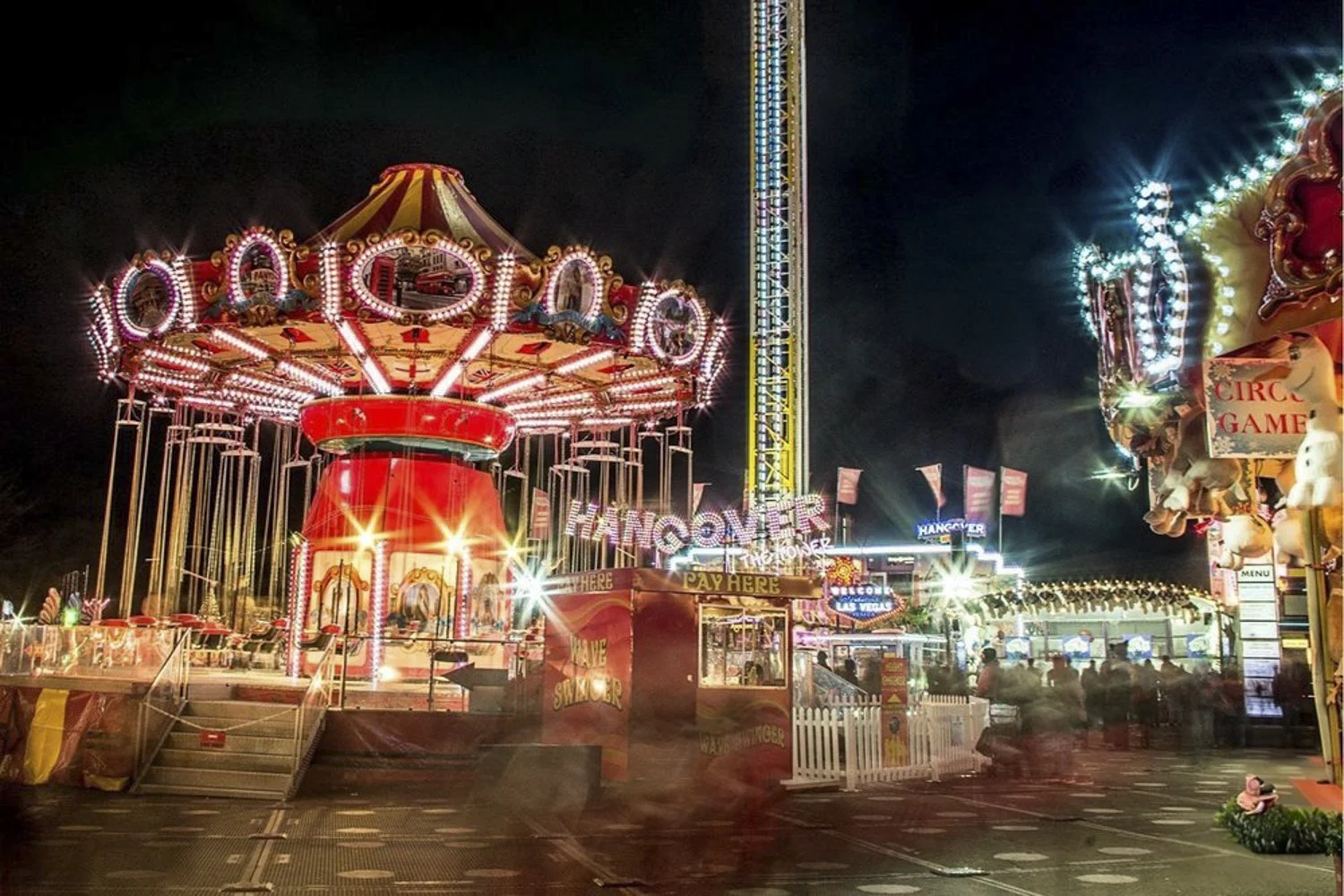
Finally understanding your camera settings
Many photographers own excellent equipment but never feel fully in control of it. Auto mode can be useful, but it often limits your creative choices.
During one-to-one photography tuition, we break manual settings down in a calm, practical way. No jargon for the sake of it and just simple explanations that connect directly to the photograph in front of you.
Let’s make the technical bits feel less scary. Aperture is simply one way to control how much of the scene appears sharp. Shutter speed is about how movement is recorded. ISO helps your camera cope when the light is limited.
Once those ideas are connected to real examples, they stop feeling like random numbers. A low aperture number might help soften a background in a portrait. A faster shutter speed might help freeze a moving subject. A higher ISO might help you keep shooting indoors when the light is not ideal.
Aperture affects depth of field
Shutter speed controls motion
ISO impacts exposure and image quality
All three work together
Once you understand this relationship, photography becomes intentional rather than accidental.
You do not need to memorise everything in one session. We can work slowly, test one setting at a time, and look at what changes on the back of the camera. That simple process usually removes a lot of the fear around manual control.
Book a quick photography tuition chat
If you are tired of guessing, frustrated with Auto mode, or simply want your photographs to feel more polished and intentional, I’m always happy to hop on a quick informal call. We can talk through what you are trying to photograph, what feels confusing, and whether one-to-one photography tuition would be a helpful next step for you.
📍 View One-to-One Photography Tuition here:
https://www.wellypictures.com/one-to-one-photography-tuition
If you are not sure where to start, that is completely fine. I’m happy to help you think it through and suggest a few simple creative directions before you commit to anything.
Book a consultation (quick, informal call) or view packages to see what’s included.