Sustainability, inclusion, and mood lighting.
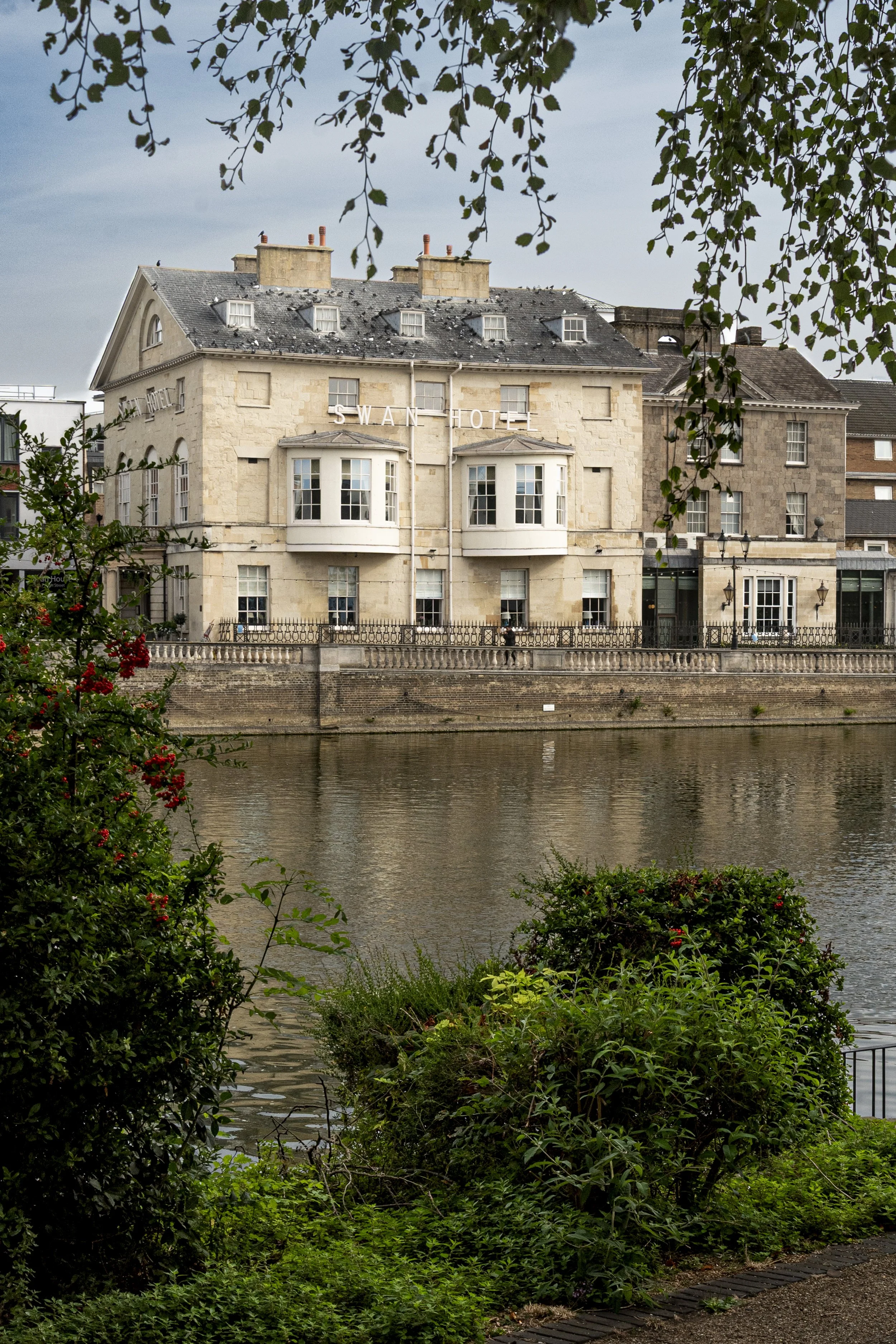
The three things your website photos are probably getting wrong
Let's be honest: most hotel and restaurant owners don't think about their photography until someone complains it looks dated. But by then, you've probably already lost a few bookings you never even knew about, because someone scrolled past your gallery and just... didn't feel it.
That's not a criticism. It's just how browsing works. People decide how a room feels before they've read a word about it. The good news is that fixing this isn't about hiring a bigger studio or learning photography jargon. It's about knowing what to point the camera at, and why.
Here's a plain-English walk-through of the three things that tend to make the biggest difference, plus a quick checklist you can run against your own gallery at the end.
1. Lighting, the easy win nobody talks about.
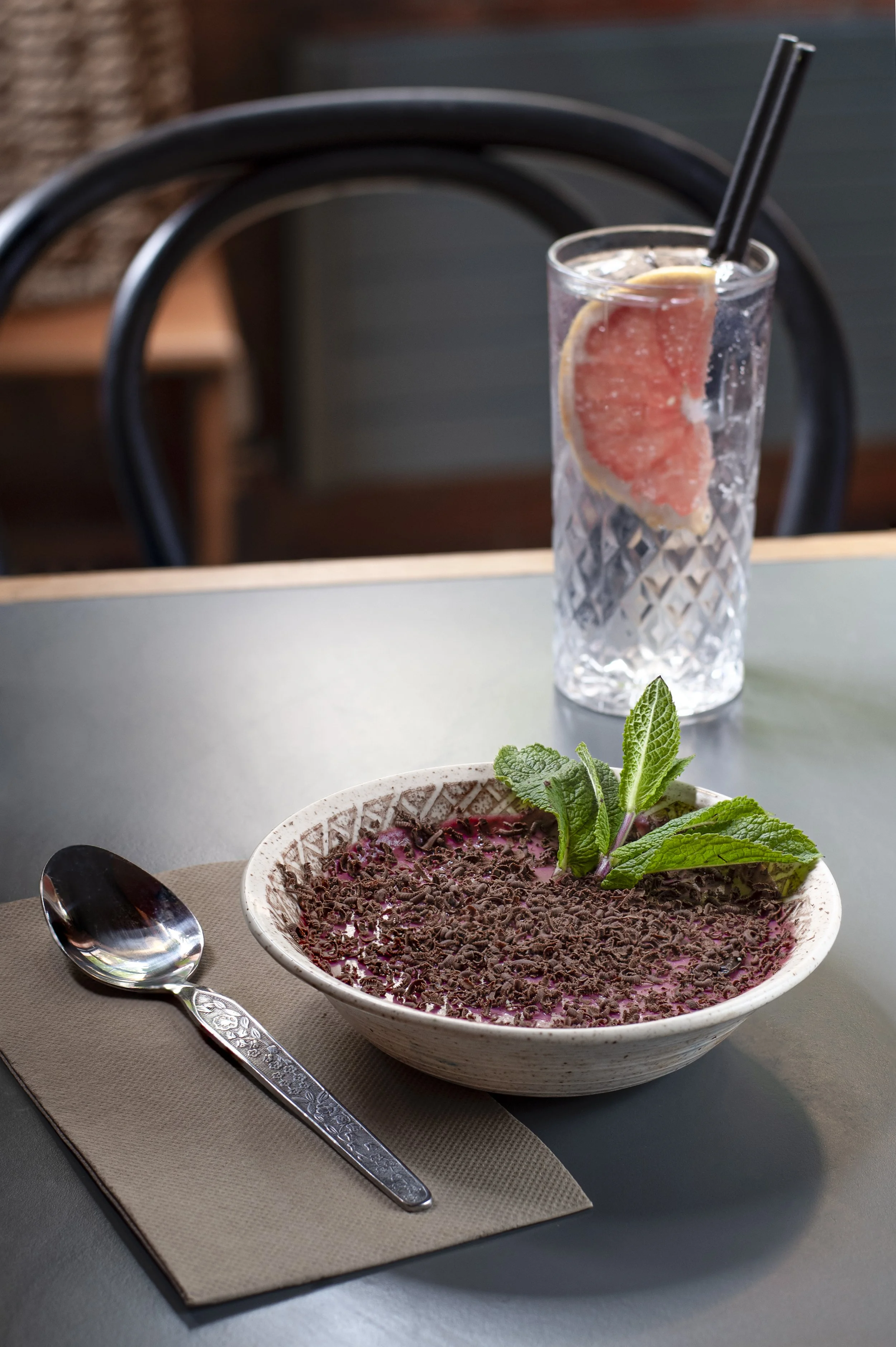
Here's the thing about lighting: it's the single biggest lever you have, and it costs nothing extra to get right. You don't need special equipment; you need the right time and a bit of patience.
A couple of simple things to ask for:
Shoot the bar or dining room in the evening, at its actual peak glow. Not at 2pm with the blinds open. That golden, ambient light is what tells someone “This is what it'll feel like to sit here after work."
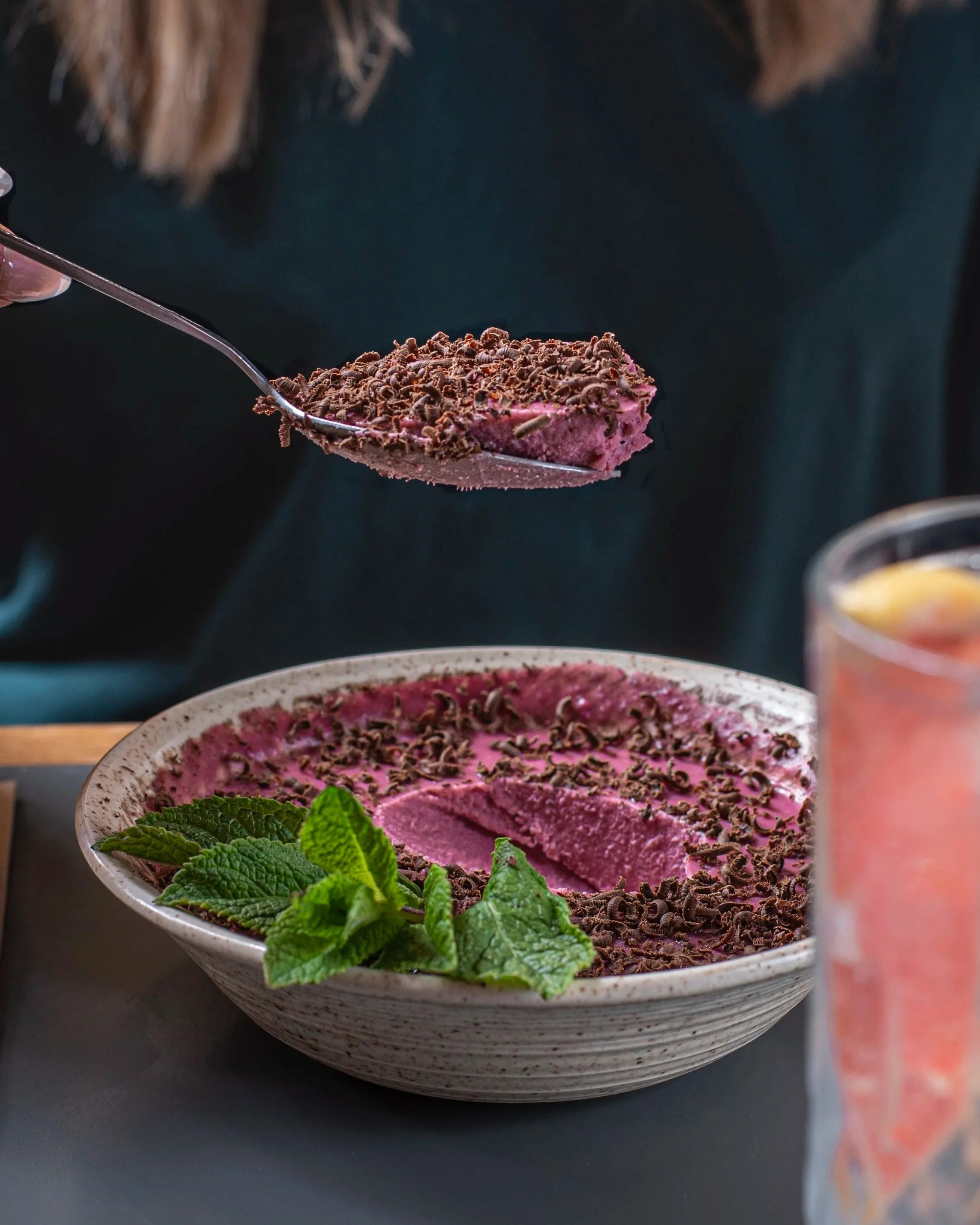
Get in close on the food and drinks. For example, the condensation on a glass, steam off a plate, the edge of a pastry catching the light. These small details do a surprising amount of the emotional work.
None of this requires you to understand aperture or ISO. It just requires shooting at the right moment, with someone who knows how to make a room look like itself at its best
‘Not sure if your current photos are catching your space at its best time of day? Send me a couple of shots and I'll give you an honest, no-obligation read on what's working and what isn't.’
2. Sustainability, without it looking like bragging

This is the one that makes people nervous, and I get why. Talk about sustainability too loudly and it can feel like greenwashing. Say nothing at all, and guests never find out about the things you're already doing right. The trick is to show it rather than announce it.
A few low-pressure ways to do that:
If your bar turns citrus peel into cordials or leftover fruit into garnishes, photograph the process, not just the finished drink. Par example, a bartender pouring from a hand-labelled bottle says more than any "zero waste" caption ever could.
If you're using ingredients from a local farm or your own kitchen garden, a simple shot of the raw produce on a prep board will work. Like a dew still on the mint, dirt still on the veg and this quietly tells that story without a single word of copy.
If your furniture or tableware is reclaimed, local, or handmade, a close-up with a softly blurred background lets the texture do the talking. ‘The grain of reclaimed oak or the slight unevenness of a hand-thrown plate.’
You don't need to relabel anything or add a "sustainability page." You just need a few photos that let people notice, if they're the kind of guest who cares.
‘If you're doing good things behind the scenes but aren't sure how to photograph them without it feeling like a brag, that's a common worry and we are happy to talk it through whatever’s useful.’

3. Inclusion & showing people that they belong before they arrive
This one's less about a single photo and more about a general feeling running through your whole gallery. Nobody wants their team or guest photos to look like a stock-photo diversity checklist and thankfully, that's not what this is about.
A couple of gentle things to check for:
Do your lifestyle shots show a genuine range of people and moments, rather than the same one or two types of guests, repeatedly?
Do you have wide shots of your space that naturally show things like varied seating heights, generous walkways, or step-free routes?
These aren't "accessibility marketing", they're just honest photos of your room that happen to reassure someone who needs to know, before they book, that they'll be comfortable.
Nothing here needs to be staged or spelled out. It just needs to be true, and visible.
‘Want a second opinion on whether your gallery reads as welcoming to everyone who might walk through your door? We are happy to take a look and share some honest, friendly feedback.’
Your five-minute gallery check
Next time you're looking at your own website, see how many of these you can tick off:
The texture close-up — condensation, steam, or the flake of a pastry
The dusk glow — your room's actual evening lighting, not a flash photo
The local story — a supplier, an ingredient, or a sustainable practice in action
The spatial welcome — a wide shot that shows off comfortable, varied seating
The human element — genuine, warm interactions rather than posed ones
If you got three or more, you're in decent shape. If you're sitting on one or none, that's completely normal too and most galleries were built years ago, before any of this was really on anyone's radar.
‘Ticked off fewer boxes than you'd like?
Reply with your website and I'll send back three quick, specific things I'd shoot first, with no strings attached.’
Not sure whether your current photos are pulling their weight, or just not sure where to start with the sustainability or inclusion side of things?
We are always happy to hop on a quick call and look through your gallery with you, with no pressure, no sales pitch, just a second pair of eyes.